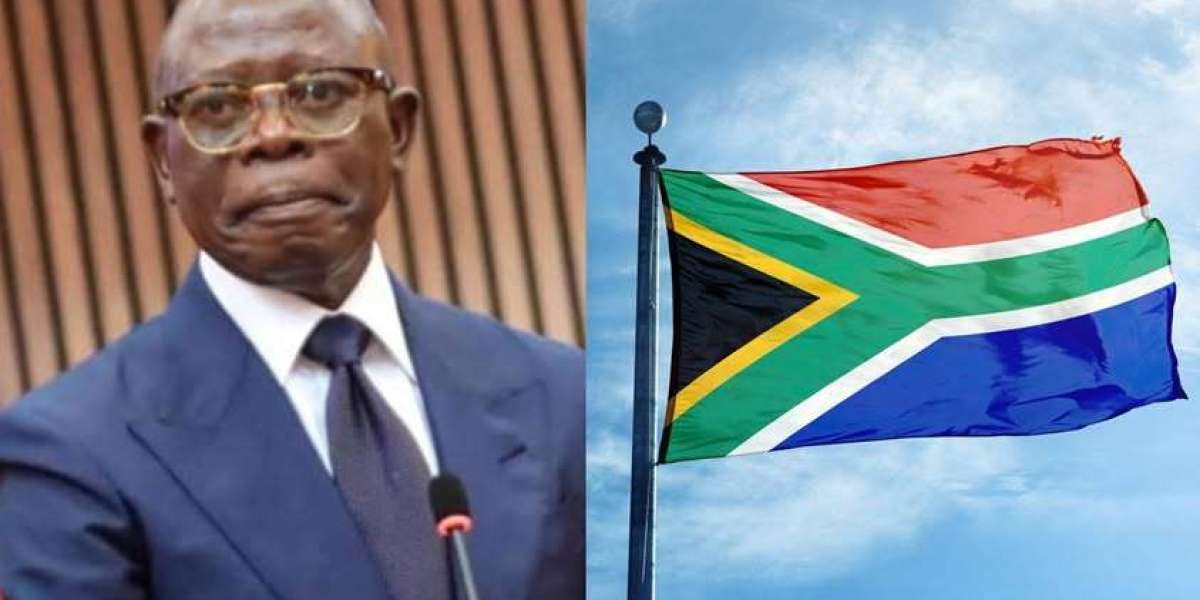

Recent remarks by Adams Oshiomhole have reignited a long-standing and sensitive conversation about the economic and diplomatic relationship between Nigeria and South Africa. Reacting to reports of xenophobic attacks in South Africa—often justified by claims that foreigners are “stealing jobs”—the senator suggested that Nigeria should consider withdrawing the operating licenses of major South African companies like MTN and DStv. His argument: it is “time to reciprocate.”
The Context of Xenophobia
South Africa has, over the years, experienced periodic waves of xenophobic violence, with foreign nationals—many of them Nigerians—bearing the brunt. These attacks are often fueled by economic frustration, high unemployment, and political rhetoric that frames immigrants as competitors for limited resources.
For many Nigerians, the violence is not just a distant issue; it is personal. Lives have been lost, businesses destroyed, and communities destabilized. Against this backdrop, calls for a stronger Nigerian response are not surprising.
Oshiomhole’s Position
Senator Oshiomhole’s suggestion to revoke licenses of South African firms operating in Nigeria represents a shift from diplomatic caution to economic assertiveness. MTN and DStv are among the most prominent South African investments in Nigeria, with millions of Nigerian subscribers and significant contributions to the local economy.
His argument is rooted in reciprocity: if Nigerian lives and livelihoods are threatened in South Africa, then South African economic interests in Nigeria should not go untouched.
Economic Reality Check
However, implementing such a move is far from straightforward. MTN alone is one of Nigeria’s largest telecom providers, employing thousands and serving tens of millions of users. DStv, operated by MultiChoice, dominates the pay-TV space.
Revoking their licenses could have unintended consequences:
- Job losses for Nigerians working in these companies
- Service disruptions affecting millions of consumers
- Investor confidence decline, potentially discouraging foreign investment
In essence, the action could hurt Nigeria economically even as it seeks to make a political statement.
Diplomatic Implications
Nigeria and South Africa are two of Africa’s largest economies and have historically played leadership roles on the continent. Their relationship, while sometimes strained, is crucial for regional stability and cooperation.
An aggressive economic response could escalate tensions, potentially leading to retaliatory actions from South Africa. Diplomacy, rather than confrontation, has traditionally been the preferred route in such disputes—through dialogue, bilateral agreements, and pressure via regional bodies like the African Union.
Public Sentiment vs Policy Decisions
Oshiomhole’s comments resonate with a segment of Nigerians who feel that the government has not done enough to protect its citizens abroad. There is a growing demand for stronger action, not just statements of condemnation.
Yet, policymaking requires balancing emotion with long-term national interest. While the anger is understandable, decisions of this magnitude must consider economic stability, international relations, and the welfare of Nigerians at home.
The Way Forward
The situation calls for a multi-layered response:
- Firm diplomatic engagement with South African authorities
- Protection mechanisms for Nigerians living abroad
- Economic diversification to reduce reliance on foreign corporations
- Continental cooperation to address xenophobia at its roots
Senator Oshiomhole’s remarks have sparked an important debate—one that sits at the intersection of justice, economics, and diplomacy. While the call to “reciprocate” reflects genuine frustration, the path forward requires careful consideration.
Nigeria faces a delicate task: defending its citizens without undermining its own economic and strategic interests.